
Article Plan: Rocks and Minerals PDF Guide
This comprehensive PDF guide details rock identification‚ mineral properties‚ and the rock cycle‚ featuring charts for classifying igneous‚ sedimentary‚ and metamorphic rocks․
Rocks and minerals are fundamental components of our planet‚ forming Earth’s solid structure; this guide provides essential identification knowledge for these natural materials․
What are Rocks?
Rocks are naturally occurring solid aggregates of one or more minerals․ Think of them as Earth’s building blocks‚ constantly being formed and transformed through geological processes․ They aren’t simply random collections; their composition and texture reveal clues about their origins․
Understanding rock types – igneous‚ sedimentary‚ and metamorphic – is crucial for deciphering Earth’s history․ These classifications are based on how the rocks were created: cooled from magma‚ accumulated from sediments‚ or altered by heat and pressure․
This guide will equip you with the tools to begin rock identification‚ focusing on observable characteristics․ Recognizing the minerals within a rock is a key step in determining its classification and understanding its story․ Rock classification charts are invaluable resources!
What are Minerals?
Minerals are naturally occurring‚ inorganic solids with a definite chemical composition and a crystalline structure․ Unlike rocks‚ which are aggregates‚ minerals are fundamental units․ Each mineral possesses unique physical properties – hardness‚ luster‚ streak‚ and cleavage – that aid in identification․
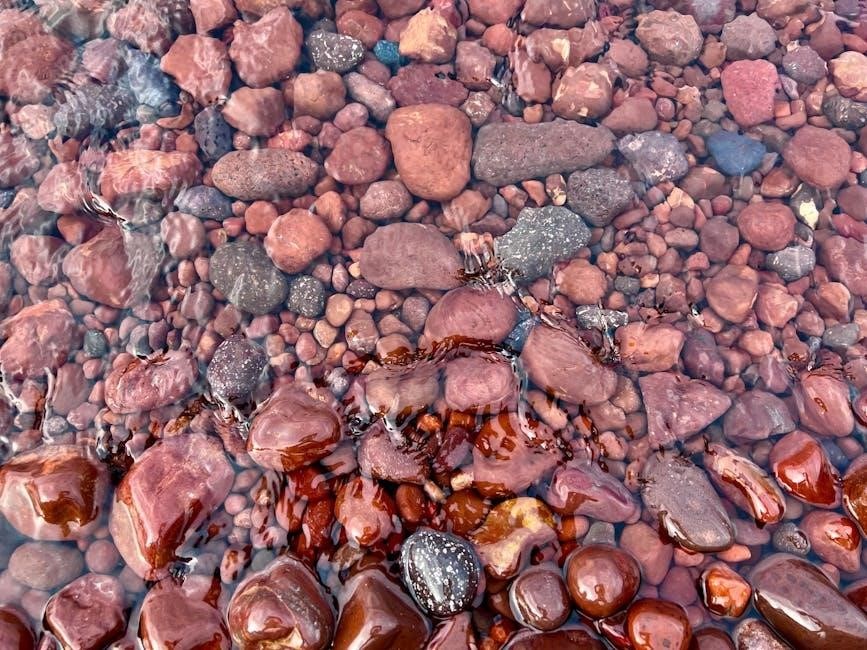
These properties stem from the arrangement of atoms within the mineral’s crystal lattice․ For example‚ hardness‚ measured on the Mohs scale‚ reflects the strength of atomic bonds․ Understanding these properties is essential for distinguishing between different minerals․
Mineral identification is a cornerstone of geology and is vital for understanding the composition of rocks․ This guide will detail how to utilize these key properties‚ alongside charts‚ to accurately classify various minerals found in nature and within geological samples․
The Rock Cycle – A Continuous Process
The rock cycle is a fundamental concept in geology‚ illustrating the continuous transformation between igneous‚ sedimentary‚ and metamorphic rocks․ This cycle demonstrates that rocks aren’t static; they are constantly being created‚ altered‚ and recycled through geological processes․
Driven by Earth’s internal heat and external forces‚ the cycle involves melting‚ cooling‚ weathering‚ erosion‚ compaction‚ cementation‚ and metamorphism․ Igneous rocks can become sedimentary through weathering‚ or metamorphic through heat and pressure․ Sedimentary rocks can melt into magma‚ restarting the cycle․
Understanding the rock cycle is crucial for interpreting Earth’s history and the formation of various geological features․ This guide will explain each stage‚ linking mineral composition to the processes driving this dynamic system‚ providing a holistic view of Earth’s geological evolution․

Igneous Rock Identification
Igneous rocks form from cooled magma or lava; identification relies on texture—crystalline or aphanitic—and mineral composition‚ as detailed in this guide․
Formation of Igneous Rocks
Igneous rocks originate from the cooling and solidification of molten rock material․ This material can be magma‚ found beneath the Earth’s surface‚ or lava‚ which erupts onto the surface․ The rate of cooling significantly impacts the rock’s texture․ Slow cooling‚ typically occurring deep underground‚ allows for the formation of larger‚ visible crystals‚ resulting in intrusive igneous rocks․
Conversely‚ rapid cooling on the Earth’s surface‚ as seen with lava flows‚ produces fine-grained or even glassy textures‚ characteristic of extrusive igneous rocks․ The mineral composition of the magma or lava also plays a crucial role‚ dictating the specific types of minerals that crystallize and ultimately define the rock type․ Understanding these processes is key to accurate identification․
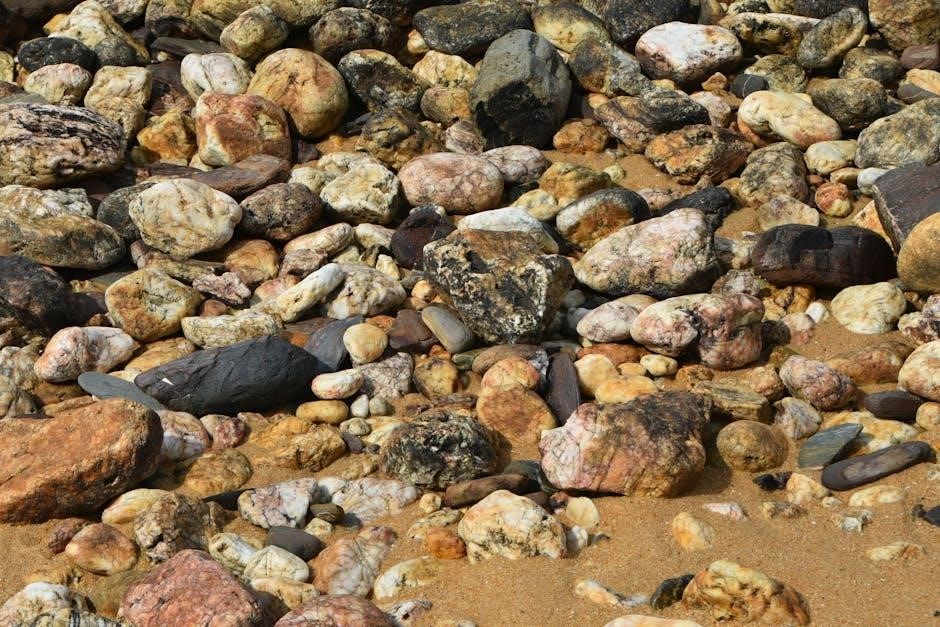
Intrusive vs․ Extrusive Igneous Rocks
Igneous rocks are broadly categorized as intrusive or extrusive‚ based on their formation location and cooling rate․ Intrusive rocks‚ also known as plutonic rocks‚ form from magma that cools slowly beneath the Earth’s surface․ This slow cooling allows large crystals to develop‚ resulting in a coarse-grained texture – easily visible mineral grains․ Granite is a classic example․
Extrusive rocks‚ or volcanic rocks‚ are created from lava that cools quickly on the Earth’s surface․ Rapid cooling inhibits crystal growth‚ leading to fine-grained‚ aphanitic textures‚ or even glassy textures if cooling is extremely fast․ Basalt and obsidian are common extrusive rocks․ Recognizing these textural differences is fundamental to identification․
Identifying Igneous Rocks – Texture and Composition
Identifying igneous rocks relies heavily on analyzing their texture and mineral composition․ Texture‚ as previously discussed‚ reveals cooling history – coarse-grained indicates slow cooling (intrusive)‚ while fine-grained or glassy suggests rapid cooling (extrusive)․ Examining mineral content is equally crucial․
Rocks rich in feldspar and quartz‚ like granite‚ have a felsic composition․ Those with abundant dark‚ magnesium- and iron-rich minerals‚ such as olivine and pyroxene‚ are mafic (basalt)․ Intermediate compositions exist‚ blending these characteristics․ An identification chart assists in correlating texture and mineral assemblages to specific rock types․ Careful observation under magnification can reveal subtle differences aiding accurate classification․
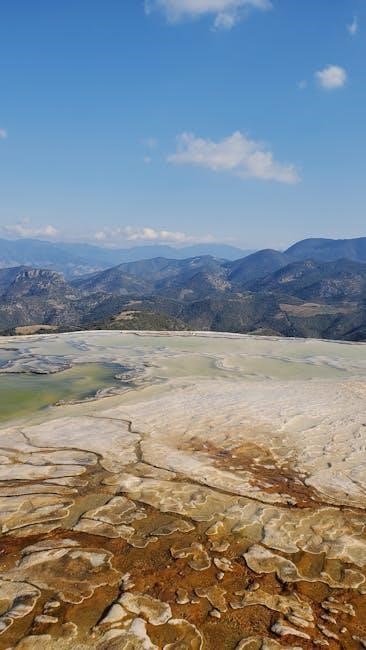
Sedimentary Rock Identification
Sedimentary rocks form from accumulated sediments‚ categorized by their origin – clastic‚ chemical‚ or organic – and identified through grain size and unique features․
Formation of Sedimentary Rocks
Sedimentary rocks arise from the accumulation and cementation of sediments – fragments of pre-existing rocks‚ mineral grains‚ or organic matter․ This process‚ known as lithification‚ begins with weathering and erosion‚ breaking down source rocks into smaller pieces․
These sediments are then transported by agents like water‚ wind‚ or ice‚ eventually depositing in layers․ Compaction‚ due to the weight of overlying materials‚ reduces pore space‚ while cementation binds the particles together through mineral precipitation․
Different environments – rivers‚ lakes‚ oceans‚ deserts – yield distinct sedimentary features․ Understanding these depositional settings is crucial for interpreting a rock’s history and origin‚ aiding in accurate identification․

Clastic‚ Chemical‚ and Organic Sedimentary Rocks
Sedimentary rocks are broadly categorized into three main types based on their formation․ Clastic rocks‚ like sandstone and shale‚ form from fragments of other rocks and minerals – categorized by grain size․ Chemical rocks‚ such as limestone and rock salt‚ precipitate directly from solutions‚ often through evaporation or chemical reactions․
Organic sedimentary rocks‚ including coal and some limestones‚ originate from the accumulation and lithification of organic matter‚ like plant remains or shells․ Each type exhibits unique characteristics․

Identifying these categories requires careful observation of texture‚ composition‚ and the presence of fossils‚ providing clues to the rock’s origin and the ancient environment in which it formed – essential for rock identification․
Identifying Sedimentary Rocks – Grain Size and Features
Identifying sedimentary rocks relies heavily on analyzing grain size and distinctive features․ Clastic rocks are classified by particle size: gravel (conglomerate/breccia)‚ sand (sandstone)‚ silt (siltstone)‚ and clay (shale)․ Larger grains indicate higher energy depositional environments․
Beyond size‚ observe rounding and sorting of grains – well-rounded grains suggest extensive transport․ Features like bedding‚ cross-bedding‚ and ripple marks reveal past current directions․ The presence of fossils is a key indicator‚ offering insights into past life․
Chemical features‚ like evaporite crystals‚ and organic remnants aid identification‚ providing a comprehensive understanding of the rock’s history and formation process․
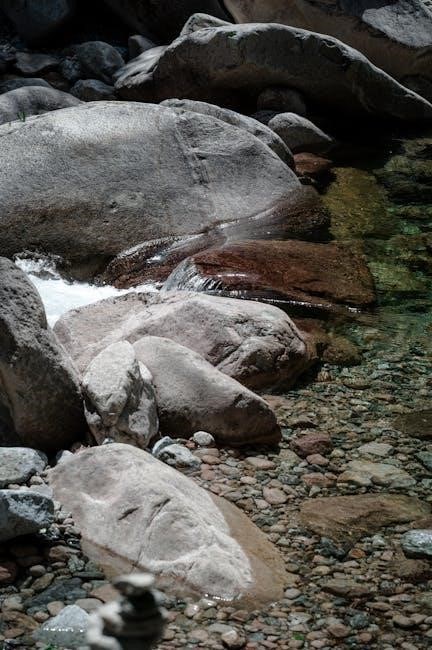
Metamorphic Rock Identification
Metamorphic rocks‚ altered by heat and pressure‚ are identified by texture—foliated (layered) or non-foliated—and mineral composition‚ revealing their origins․
Formation of Metamorphic Rocks
Metamorphic rocks arise from the transformation of existing rocks – igneous‚ sedimentary‚ or even other metamorphic varieties – through processes occurring deep within the Earth․ This transformation‚ termed metamorphism‚ doesn’t involve melting; instead‚ it’s a solid-state alteration driven by increases in temperature‚ pressure‚ or exposure to chemically active fluids․
Heat‚ often from magma intrusions or geothermal gradients‚ provides the energy for recrystallization and mineral changes․ Pressure‚ stemming from burial or tectonic forces‚ compacts the rock and influences mineral alignment․ Chemically active fluids can introduce or remove elements‚ altering the rock’s composition․ These factors combine to create new mineral assemblages and textures‚ defining the metamorphic rock․
The degree of metamorphism dictates the resulting rock type‚ ranging from low-grade (slight changes) to high-grade (significant alterations)․ Understanding these formative processes is crucial for accurate identification․
Foliated vs․ Non-Foliated Metamorphic Rocks
Metamorphic rocks exhibit distinct textures categorized as foliated or non-foliated‚ reflecting the conditions of their formation․ Foliation describes a layered or banded appearance‚ resulting from the parallel alignment of mineral grains under directed pressure during metamorphism․ Common foliated rocks include slate‚ schist‚ and gneiss‚ each displaying increasing degrees of mineral segregation and grain size․
Conversely‚ non-foliated metamorphic rocks lack this layered structure․ They typically form under conditions of equal pressure from all directions‚ or when the parent rock contains primarily blocky minerals like quartz or calcite․ Examples include marble (metamorphosed limestone) and quartzite (metamorphosed sandstone)․
Distinguishing between these textures is a fundamental step in rock identification‚ providing clues about the rock’s origin and the metamorphic forces it endured․
Identifying Metamorphic Rocks – Texture and Mineral Composition
Identifying metamorphic rocks relies heavily on observing both their texture – foliated or non-foliated – and the mineral composition․ Foliated rocks‚ like schist‚ are identified by visible parallel mineral alignment (mica is common)‚ while gneiss shows distinct banding․ Non-foliated rocks‚ such as marble‚ often display interlocking mineral grains‚ primarily calcite․
Key minerals to recognize include garnet‚ staurolite‚ and kyanite‚ indicative of higher-grade metamorphism․ The presence of specific minerals‚ alongside texture‚ helps determine the parent rock and the metamorphic conditions․ Careful examination using a hand lens reveals crucial details․
Rock identification charts are invaluable tools‚ correlating observed features with known rock types‚ aiding in accurate classification and understanding of geological history․
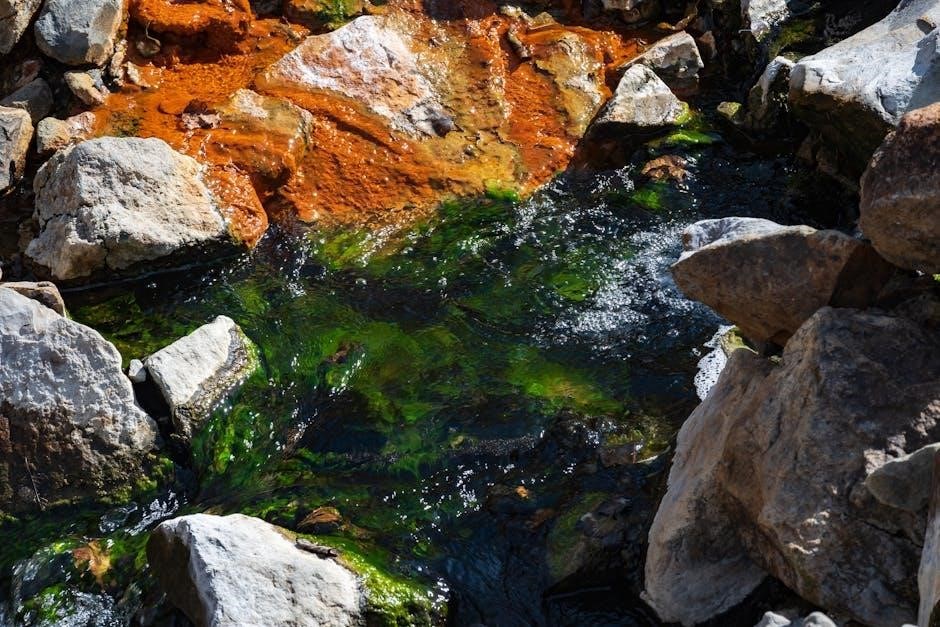
Mineral Identification – Key Properties
Mineral identification utilizes properties like hardness (Mohs scale)‚ streak‚ luster‚ and cleavage‚ alongside specific gravity‚ to accurately classify these natural‚ crystalline solids․
Hardness (Mohs Scale)
Determining a mineral’s hardness is crucial for identification‚ and the Mohs Hardness Scale provides a relative measure of resistance to scratching․ Developed by Friedrich Mohs in 1812‚ this scale ranks minerals from 1 (talc‚ the softest) to 10 (diamond‚ the hardest)․
A mineral can scratch any substance lower than its hardness value․ For example‚ quartz (hardness 7) will scratch feldspar (hardness 6)‚ but not topaz (hardness 8)․ Common reference materials include a fingernail (around 2․5)‚ a copper penny (around 3․5)‚ and a steel knife (around 5․5)․
This simple scratch test‚ combined with other properties‚ allows for preliminary mineral identification in the field․ Understanding the Mohs scale is fundamental to geological study and rock analysis․
Streak‚ Luster‚ and Cleavage
Beyond hardness‚ streak‚ luster‚ and cleavage are vital for mineral identification․ Streak refers to the color of a mineral’s powder when rubbed against a streak plate (unglazed porcelain)․ It’s a more reliable property than the mineral’s apparent color․
Luster describes how light reflects off a mineral’s surface – metallic‚ glassy (vitreous)‚ pearly‚ silky‚ or dull․ Cleavage describes the tendency of a mineral to break along specific planes of weakness‚ creating smooth‚ flat surfaces․ Minerals with good cleavage break easily and predictably․
Conversely‚ fracture describes irregular breakage patterns․ Observing these properties‚ alongside hardness‚ significantly narrows down potential mineral identifications within a rocks and minerals study․
Specific Gravity and Other Identifying Features
Specific gravity‚ a mineral’s density relative to water‚ aids in identification; a higher number indicates a heavier mineral for its size․ While requiring specialized equipment for precise measurement‚ it’s a valuable diagnostic tool․ Other features‚ like magnetism (magnetite) or reaction to acid (calcite)‚ provide further clues․
Diaphaneity‚ or how light transmits through a mineral (transparent‚ translucent‚ opaque)‚ is also helpful․ Unique properties‚ such as a salty taste (halite) or a double refraction effect (calcite)‚ can be definitive․ Careful observation of all characteristics‚ combined with previous tests‚ allows for accurate mineral and ultimately rock classification․
These details are crucial within a comprehensive rocks and minerals PDF guide․