bosch series 6 dryer manual

Overview of Bosch Series 6 Dryer Models

Bosch Series 6 dryers combine sleek design with new heat technology offering multiple programs self‑cleaning condensers and energy‑efficient modes for quick gentle drying. — eco‑; Eco‑friendly!

Key Features and Design Highlights

The Bosch Series 6 dryer series features a sleek‚ minimalist front‑panel that fits modern laundry rooms while offering a 7.5 kg drum capacity. Its self‑cleaning condenser eliminates venting‚ ideal for apartments. A heat‑pump system cuts energy use by up to 30 % versus conventional electric dryers. The touch‑control panel shows cycle status‚ time‚ and temperature on a clear LCD. Users choose from cotton‚ synthetics‚ delicate‚ quick‚ and eco‑dry programs‚ each tailored to fabric and load weight. A manual mode gives precise control‚ while a delay‑start timer and child‑lock enhance safety. Built‑in moisture sensors stop the cycle when clothes are dry‚ preventing over‑drying and preserving fabric life. The dryer also incorporates a child‑lock feature and a temperature adjustment that protects delicate fabrics. Its quiet operation‚ 48 dB‚ ensures minimal disruption in shared living spaces. With a rated energy consumption of 1.2 kWh per cycle‚ it meets the latest EU efficiency standards. Quiet operation‚ low noise‚ and safety interlocks make the Series 6 efficient‚ reliable‚ and stylish.

Safety Instructions

Always keep dryer away from flammable materials‚ ensure proper ventilation‚ use only the supplied power cord‚ and never overload the drum. Follow manufacturer instructions. Always unplug before cleaning!

Electrical and Mechanical Safety Precautions

Before operating the Bosch Series 6 dryer‚ ensure the unit is installed on a stable‚ level surface and connected to a dedicated‚ properly grounded circuit. Verify that the power cord is intact‚ free of cuts or frayed insulation‚ and that the plug matches the outlet rating. Never use extension cords or power strips. Keep the dryer at least 30 cm from walls‚ cabinets‚ or any flammable material. Ensure the exhaust vent is clear‚ unobstructed‚ and properly sealed to prevent lint buildup. Do not overload the drum; follow the manufacturer’s load capacity guidelines. Keep the door latch and door seal clean and free of debris. Do not operate the dryer with wet clothes or with the door ajar. Before cleaning or maintenance‚ unplug the appliance and allow it to cool. Do not use water or cleaning agents inside the dryer drum. Keep children and pets away from the dryer while it is running. If you notice any unusual noise‚ vibration‚ or heat‚ stop the dryer immediately and consult a qualified service technician. Follow local electrical codes. and safe.

Control Panel and Display

The Bosch Series 6 dryer features a touch‑controlled‚ backlit display with intuitive icons for program selection‚ cycle status‚ and temperature settings‚ enabling quick adjustments. — Eco‑friendly! Now

Understanding the User Interface and Icons

The Bosch Series 6 dryer’s touch‑panel offers a clean‚ backlit interface that displays icons for each function. The main screen shows the selected program‚ remaining time‚ and temperature level. A small‚ circular icon indicates the self‑cleaning condenser cycle‚ while a heat‑pump symbol appears when the eco‑mode is active. The ‘Auto’ icon automatically adjusts drying time based on load weight‚ detected by the built‑in sensor. A ‘Dry‑Check’ icon appears when the dryer detects moisture levels‚ prompting a quick cycle. The ‘Error’ icon lights up with a code that can be referenced in the manual for troubleshooting. All icons are color‑coded: green for active‚ yellow for standby‚ and red for errors. The panel also includes a ‘Menu’ button that opens advanced settings such as sensor calibration and energy‑saving options. The ‘Power’ button toggles the unit on or off‚ and the ‘Lock’ icon prevents accidental program changes. The display updates in real time‚ showing progress bars and countdown timers for each stage of the cycle. Enjoy efficient drying with low noise!.
Operating the Dryer

Select a program‚ load clothes‚ add detergent‚ press start‚ monitor progress‚ and use pause or stop as needed. Follow safety guidelines for optimal performance. Keep door closed during cycle for safe.

Selecting and Adjusting Programs

To start a cycle‚ press the power button until the display lights. Use the program selector knob to choose a preset such as Cotton‚ Wool‚ or Delicate. For custom settings‚ press the ‘Adjust’ button to access temperature‚ time‚ and tumble options. The touch‑pad allows you to toggle humidity control‚ add a rinse cycle‚ or enable the eco‑mode for lower energy use. After setting the desired parameters‚ confirm by pressing the start button. The dryer will display the selected program name and remaining time. You can pause or stop the cycle at any point by pressing the corresponding buttons. If you need to modify settings mid‑cycle‚ use the ‘Adjust’ function again; the machine will update the display and resume with new values. Always ensure the door is closed securely before starting to avoid safety interlocks. Remember to check the lint filter after each cycle to maintain optimal airflow and prevent overheating.Use the eco‑mode for the most energy‑saving cycles

Loading and Detergent Guidelines

Load no more than 6 kg‚ separate heavy and light fabrics. Use a mild detergent; avoid fabric softener in heat‑pump models. Keep the lint filter clean for efficient drying. Keep load below 6kg!

Load Size‚ Fabric Type‚ and Detergent Usage

For optimal performance‚ keep each cycle below the 6‑kg limit; overloading reduces and extends drying time. Separate heavy items (e.g.‚ towels‚ jeans) from lightweight fabrics (e.g.‚ shirts‚ underwear) to maintain balance and prevent uneven drying. Use a Bosch Series 6 detergent capsule or a liquid detergent formulated for dryers; avoid heavy‑scented or fabric‑softening additives that can the condenser. Add detergent to the built‑in dispenser or directly to the drum‚ ensuring it dissolves completely before the cycle starts. Always check the garment care label and match the program to the fabric type to preserve texture and color. Proper loading detergent not only improve drying efficiency but also extend the appliance’s lifespan. Lint filter; filter reduces airflow and raises drying time.!

Drying Modes and Special Functions

Choose Manual‚ Eco‚ Quick‚ or Self‑cleaning condenser. Heat‑pump mode saves energy; sensor detects moisture for precise drying. Toggle settings via touch panel. Sensor‑guided cycles reduce wear!!.

Manual Mode‚ Self‑Cleaning Condenser‚ and Heat Pump Options

Manual Mode allows users to set precise drying time and temperature‚ ideal for delicate fabrics or when the sensor misreads moisture. The self‑cleaning condenser feature automatically purges lint after each cycle‚ reducing maintenance and preventing overheating. Heat‑pump technology recycles warm air‚ cutting energy consumption by up to 30 % compared to conventional dryers. Bosch Series 6 models combine these options for optimal performance‚ offering a sensor‑guided cycle that stops automatically when clothes are dry‚ a quick‑dry setting for small loads‚ and a manual mode for full control. The self‑cleaning condenser can be activated via the touch‑panel by selecting the “Condense” icon‚ after which the unit runs a purge cycle. Heat‑pump dryers maintain a low operating temperature‚ extending fabric life while still delivering efficient drying. Users can toggle between modes through the intuitive interface‚ ensuring each load receives the right balance of speed‚ gentleness‚ and energy savings. Enjoy!!

Maintenance and Troubleshooting

Check filter‚ clean condenser‚ inspect door seal. If error 101‚ reset by unplugging 30 s. For error 204‚ ensure vent is clear. Keep dry to avoid overheating. Maintenance life. care.!OK

Cleaning‚ Filter Replacement‚ and Common Error Codes

Regular maintenance keeps the Bosch Series 6 dryer running smoothly. Every cycle‚ remove the lint filter and rinse it with warm water; rinse it with warm water; dry completely before reinserting. For the condenser‚ open the back panel‚ lift the unit‚ and gently tap or vacuum out accumulated lint. Replace the filter every 3–4 months or sooner if you notice reduced airflow. If the dryer displays error 101‚ it indicates a condenser blockage—reset by unplugging for 30 s. Error 204 signals a faulty door seal; check for cracks or misalignment. Error 207 points to a motor fault—consult a technician. For error 301‚ the thermostat may be tripped; ensure the unit is level and the temperature sensor is clean. Regularly inspect the vent hose for kinks or clogs to prevent overheating. Following these steps extends lifespan and ensures energy efficiency.

Service and Warranty Information

Bosch Series 6 dryers come with a 2‑year limited warranty covering parts and labor for prefitions. Service centers are authorized worldwide. Contact Bosch support for repairs and updates and aid

Authorized Service Centers and Warranty Coverage

Bosch Series 6 dryers come with a two‑year limited warranty covering parts‚ labor‚ and manufacturing defects. The warranty is valid only for the original purchaser and expires after two years from the purchase date. Bosch also offers an optional extended warranty that can be bought at the time of sale or within 30 days of delivery‚ extending coverage to five years for parts and labor. Repairs must be carried out by an authorized Bosch service center to keep the warranty intact. Authorized centers are listed on Bosch’s official website and can be found by entering your postal code. Certified technicians at these centers use genuine Bosch parts and follow Bosch’s quality standards. If a covered fault occurs‚ contact Bosch Customer Service to arrange a free repair visit. For non‑warranty problems‚ the service center will provide an estimate before work begins. Keep all receipts and service records for future reference. Bosch also offers a 30‑day return policy for new units that are defective or not as described‚ giving a full refund or replacement within the first month after purchase. If you experience any issues‚ contact Bosch support for assistance and warranty verification. and a quick response.
Energy Efficiency and Environmental Impact

Bosch Series 6 dryers feature heat‑pump technology‚ reducing energy use by up to 30% versus conventional models. Eco‑mode cuts emissions‚ and the self‑cleaning condenser keeps it efficient!!!!!

Eco Modes and Energy Consumption Tips

Bosch Series 6 dryers use advanced heat‑pump technology that captures and reuses heat‚ cutting electricity consumption by up to 30 % compared to standard condenser models. The Eco‑mode automatically adjusts drying time and temperature based on load weight and fabric type‚ ensuring no over‑drying and minimal energy waste. To maximize efficiency‚ load the dryer to at least 60 % of its capacity; smaller loads trigger longer cycles that consume more power. Use the “Dry‑Light” setting for lightly soiled garments‚ and “Quick‑Dry” for small‚ high‑energy‑saving tasks. Avoid “High‑Heat” unless necessary; it doubles energy usage. Keep the condenser clean and lint filter free; blocked airflow forces the motor to work harder‚ increasing consumption. Finally‚ schedule drying during off‑peak hours if your utility offers time‑of‑use rates‚ and pair the dryer with a smart energy monitor to track real‑time usage and identify further savings opportunities.

Accessories and Additional Features

Optional accessories include fabric softener dispenser‚ extra lint filter‚ and a smart app. Compatible with Bosch Series 6 models‚ they enhance convenience and performance Use them for drying.

Optional Accessories and Compatibility

Bosch Series 6 dryers combine sleek design with new heat technology offering multiple programs self‑cleaning condensers and energy‑efficient modes for quick gentle drying. — eco‑. Eco‑friendly!

User Experience and Reviews

Customers praise the Bosch Series 6 dryer for its quiet operation‚ efficient heat‑pump technology‚ and intuitive touch‑screen interface‚ though some note the higher upfront cost. Many users love it!!.

Customer Feedback and Common Issues

Users consistently highlight the Bosch Series 6 dryer’s quiet‚ energy‑saving heat‑pump performance and the touch‑screen interface as major strengths. Many reviewers note that the self‑cleaning condenser feature reduces maintenance‚ yet a recurring complaint is the occasional failure of the condenser to purge properly‚ requiring manual cleaning or a reset. Some owners report that after a few cycles‚ the dryer’s “auto‑dry” mode may leave fabrics slightly damp‚ prompting them to switch to manual mode for a more thorough finish. Error codes such as “E02” (vent obstruction) and “E04” (temperature sensor fault) appear more frequently than expected‚ leading to frustration when troubleshooting. Additionally‚ the high purchase price is cited as a drawback‚ despite the lower operating costs. Overall the consensus is that the Series 6 delivers reliable‚ efficient drying but maintenance and occasional manual intervention are essential for optimal performance.

and Final Tips

Keep vents clear‚ use self-cleaning mode‚ check error codes promptly‚ and follow load guidelines and regular maintenance ensures longevity and optimal energy use daily.

Optimal Use and Care for Longevity

To maximize the life of a Bosch Series 6 dryer‚ follow these key practices: load the drum no more than 80 % of its capacity and separate heavy fabrics from light ones; use the correct cycle for each material‚ selecting the “Eco” or “Auto” mode for everyday loads to reduce energy use; run the self‑cleaning condenser cycle monthly to keep lint traps clear; keep the vent and filter free of obstructions‚ cleaning the filter after every cycle; avoid overloading the dryer‚ which can strain the motor and cause overheating; inspect the door seal regularly for gaps that could let heat escape; keep the appliance level to prevent vibration damage; and schedule professional servicing every two years for a thorough inspection of the heating element and drum bearings. Consistent maintenance‚ proper loading‚ and the use of the built‑in safety sensors will keep the dryer running efficiently and reliably for many years. Check the user guide for cycle times and contact Bosch if you notice any issues!!

prince of wales theatre seating guide

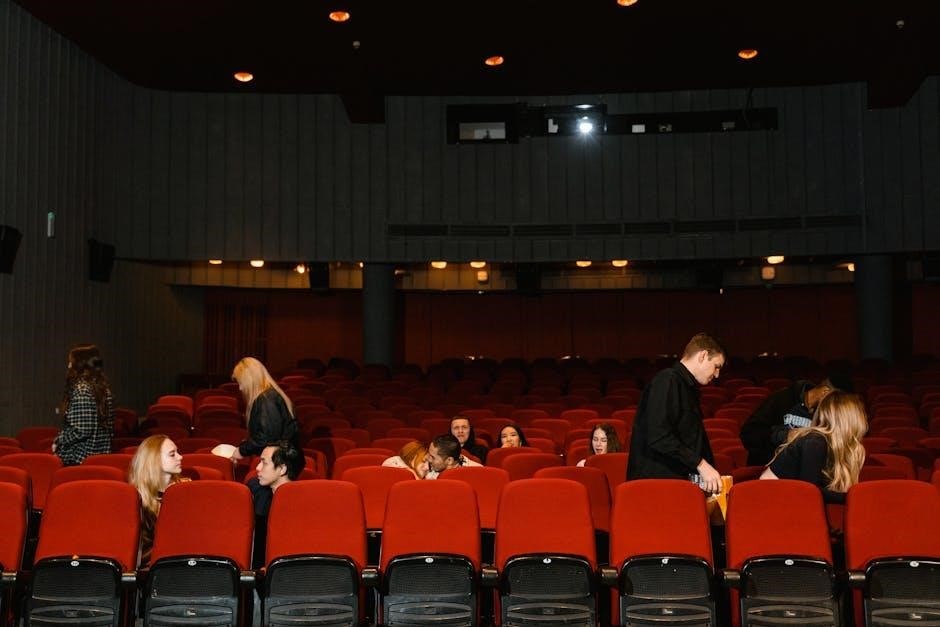
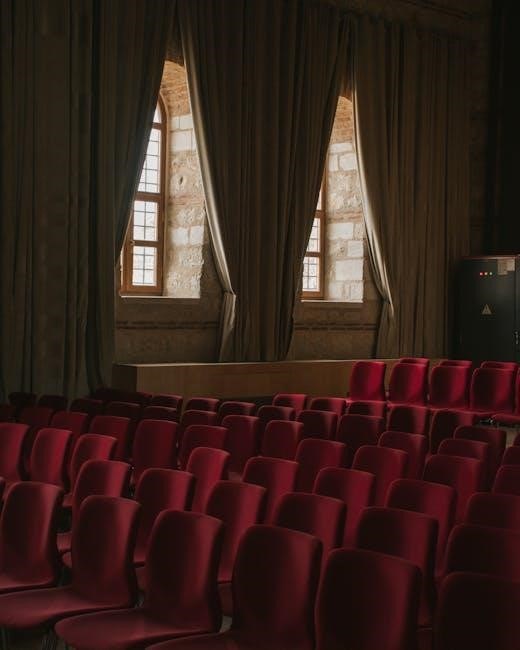
The Prince of Wales Theatre is a renowned West End venue, offering a historic and intimate setting for world-class productions․ With a seating capacity of around 1,100, it provides an exceptional viewing experience across its four seating levels: Stalls, Dress Circle, Upper Circle, and Balcony․ This guide will help you navigate the theatre’s seating layout to ensure an unforgettable visit․

1․1 Overview of the Theatre’s History

The Prince of Wales Theatre, located in London’s West End, has a rich history dating back to its opening in 1937․ Designed by architect Robert Cromie, it originally featured a striking Art Deco style․ Over the years, the theatre has hosted numerous iconic productions, showcasing its versatility and charm․ Its historic significance and intimate design make it a beloved venue for both performers and audiences, offering a unique setting for unforgettable theatrical experiences․

1․2 Importance of Understanding the Seating Layout

Understanding the seating layout of the Prince of Wales Theatre is crucial for an optimal experience․ It helps patrons make informed decisions about seat selection, ensuring they enjoy unobstructed views and comfort․ Knowing the layout aids in planning visits, especially for large groups or special occasions․ It also allows visitors to balance preferences with budget, as different areas offer varying vantage points and price ranges․ This knowledge enhances overall satisfaction and helps avoid potential disappointments during the performance․

General Seating Layout of the Prince of Wales Theatre

The Prince of Wales Theatre features a traditional four-tier layout with Stalls, Dress Circle, Upper Circle, and Balcony, each offering distinct views and price points․

2․1 Main Seating Areas

The Prince of Wales Theatre features four primary seating areas: the Stalls, Dress Circle, Upper Circle, and Balcony․ Each level offers a unique perspective of the stage, catering to different preferences and budgets․ The Stalls provide an intimate experience close to the action, while the Dress Circle and Upper Circle offer elevated views․ The Balcony, though furthest from the stage, provides a panoramic overview․ These areas are designed to ensure an immersive theatrical experience for all audiences․

2․2 Key Differences Between Seating Levels

The seating levels at the Prince of Wales Theatre vary significantly in proximity, view, and comfort․ The Stalls offer the closest and most immersive experience, while the Dress Circle provides excellent visibility with a slight elevation․ The Upper Circle is higher, offering a broader perspective but with less detail․ The Balcony, furthest from the stage, delivers a panoramic view but may lack intimacy․ Each level balances distance, detail, and price, catering to diverse audience preferences and budgets․

Detailed Guide to Stalls Seating

The Stalls offer an immersive experience, being the closest seating area to the stage․ Seats are arranged on a flat floor, providing excellent proximity to the performance․

3․1 Best Seats in the Stalls

The best seats in the Stalls are typically in the central rows (3-7), offering an unobstructed and immersive view of the performance․ These seats provide excellent proximity to the stage, allowing audiences to fully engage with the show․ Avoid seats too close to the stage, as they may cause neck strain, and opt for aisle seats if legroom is a priority․ Always check the theatre’s seating plan to ensure your chosen seat avoids any obstructions like railings or pillars․ Booking early is key, as these popular seats sell out quickly․

3․2 Tips for Choosing Stalls Seats

When selecting Stalls seats, prioritize central positions for the best view․ Avoid the first few rows to prevent neck strain from looking upwards․ Consider seats closer to the aisle for easier access and more legroom․ Check the seating plan to ensure no obstructions, like railings, are in your line of sight․ Booking in advance is crucial, as Stalls seats are highly sought after․ Balance proximity to the stage with comfort for an optimal experience․

3․3 Price Range for Stalls Tickets

The price range for Stalls tickets varies depending on the show’s demand and seat location․ Central seats near the stage are the most expensive, often starting from £60-£80․ Slightly further back or towards the aisles may cost £40-£60․ Prices increase for popular performances and weekends․ Check the theatre’s box office or official ticketing websites for the most accurate pricing․ Booking in advance can secure better deals, especially for mid-week shows․

Dress Circle Seating Guide

The Dress Circle offers a prime view, one level above the Stalls, providing excellent visibility and acoustics․ It is ideal for those seeking a elevated perspective․

4․1 Optimal Viewing in the Dress Circle

The Dress Circle at the Prince of Wales Theatre offers excellent sightlines, with a clear view of the entire stage․ Central seats provide the most immersive experience, while rear seats still offer a panoramic perspective․ Avoid extreme side seats for the best visual clarity․ The elevation enhances the visual impact without feeling too distant, making it ideal for appreciating both intricate performances and grand productions․

4․2 Factors to Consider When Selecting Dress Circle Seats

When choosing Dress Circle seats, consider proximity to the stage and aisle access for comfort․ Avoid seats behind pillars or at sharp angles for unobstructed views․ The rake of the seating ensures good visibility, but rear seats may feel slightly distant․ Budget and personal preference for legroom or centrality also play a role․ Check the theatre’s seating plan and reviews to make an informed decision, ensuring a balance between view quality and price․

4․3 Cost of Dress Circle Tickets

Dress Circle tickets at the Prince of Wales Theatre vary in price, typically ranging from £50 to £100 or more, depending on the show’s demand and seating location․ Central seats generally cost more than those on the sides․ Prices may also fluctuate based on the day of the week and time of year․ Check the theatre’s official website or authorized ticket vendors for the most accurate and up-to-date pricing information․

Upper Circle Seating Overview

The Upper Circle offers elevated seating with a panoramic view of the stage, though farther from the action․ Its high ceiling enhances acoustic quality, ensuring crisp sound․

5․1 Recommended Seats in the Upper Circle

The best seats in the Upper Circle are centrally located, offering an excellent view of the stage․ Rows A to G provide good proximity, while seats A to G in the center ensure an unobstructed view․ Avoid seats toward the rear or extreme sides to maintain visibility․ Opting for lower-numbered rows enhances the overall experience․ Booking in advance is advisable, as popular shows fill up quickly, making these seats highly sought after among theatergoers․

5․2 Advantages and Disadvantages of Upper Circle Seats

The Upper Circle offers a panoramic view of the stage, ideal for appreciating grand musicals․ Seats are generally more affordable than lower levels․ However, the higher elevation can make the stage feel distant, and some seats may have obstructed views due to safety rails or pillars․ Legroom and comfort vary, with some rows offering less space․ While it provides a unique perspective, it may not suit those seeking an immersive experience․ Accessibility can also be a challenge due to stairs, though some theatres offer elevators․ Ultimately, it’s a budget-friendly option for those who value a broader view but may compromise on intimacy and comfort․

5․3 Pricing for Upper Circle Tickets

Upper Circle tickets at the Prince of Wales Theatre are generally more affordable, starting from around £20-£30 for standard performances․ Prices increase for premium shows or peak times, reaching up to £50․ Discounts may be available for off-peak performances or special promotions․ It’s advisable to check the theatre’s official box office or authorized ticket sellers for the most accurate pricing and availability․ This ensures a cost-effective option for enjoying a show without compromising on the overall experience․

Balcony Seating Information

The balcony offers a panoramic view of the stage, ideal for large-scale productions․ It’s the highest seating level, providing a unique perspective․ Budget-friendly option․

6․1 Best Seats in the Balcony

The best seats in the balcony are centrally located, offering an unobstructed view of the stage․ Rows closer to the front provide a more immersive experience․ Avoid edge seats or those behind pillars, as they may have restricted views․ Central seats in the middle rows strike a balance between visibility and comfort, ensuring an enjoyable performance without obstructions․

6․2 Things to Keep in Mind When Booking Balcony Seats

When booking balcony seats, consider the height and potential obstructions like pillars or safety rails․ Check the theatre’s seating plan to avoid restricted views․ Legroom may be limited in balcony seats, so prioritize comfort if needed․ Be aware that sound and visual details may be less vivid due to the distance․ ensure to review the theatre’s accessibility features if required․ Lastly, compare prices and availability to secure the best option for your preferences and budget․

6․3 Balcony Ticket Prices

Balcony ticket prices at the Prince of Wales Theatre vary depending on the performance and seating location․ Generally, prices range from £20 to over £50, with restricted view seats often being the most affordable․ Premium seats offering better views may cost significantly more․ Weekday matinees tend to be cheaper than evening or weekend shows․ Check the theatre’s official website or authorized ticket sellers for the most accurate and up-to-date pricing information before booking․

Accessible Seating Options

The Prince of Wales Theatre offers accessible seating for patrons with disabilities, including wheelchair spaces and companion seats․ Facilities like accessible entrances and restrooms are available․

7․1 Availability of Accessible Seats

Accessible seats at the Prince of Wales Theatre are primarily located in the Stalls, near aisle seats for ease of access․ Availability is limited, and these seats are allocated on a first-come, first-served basis․ It is advisable to book accessible seats well in advance to ensure availability․ The theatre also offers companion seating options for patrons with disabilities․ These seats can be booked online or via phone, ensuring equal access to all performances․

7․2 Facilities for Patrons with Disabilities

The Prince of Wales Theatre offers various facilities for patrons with disabilities, ensuring an inclusive experience․ Wheelchair-accessible entrances and lifts are available, connecting all levels of the theatre․ Accessible toilets are located on each floor, and hearing loops are installed in the auditorium for those with hearing impairments․ Trained staff are on hand to assist patrons with disabilities․ Guide dogs are also welcome, and select performances offer sign language interpretation․

These facilities ensure that all visitors can enjoy performances comfortably and equally․ Advance booking is recommended to confirm accessibility needs․

Special Seating Options

The Prince of Wales Theatre offers exclusive seating options, including VIP packages, premium seats, and box seats, providing enhanced comfort, amenities, and unique perspectives for attendees․

8․1 VIP and Premium Seating

The Prince of Wales Theatre offers exclusive VIP and premium seating options, providing an enhanced theatrical experience․ These seats are typically located in prime areas, such as the center stalls or dress circle, ensuring excellent views of the stage․ VIP packages often include access to the theatre’s luxurious lounges, priority entry, and personalized service․ Premium seats may also come with complimentary amenities like interval drinks or programmes․ These options are ideal for special occasions, offering a blend of comfort and exclusivity․ Prices for VIP and premium seating are higher, reflecting the added benefits and superior location․

8․2 Box Seats and Their Benefits

Box seats at the Prince of Wales Theatre offer a unique and intimate viewing experience․ Positioned on either side of the auditorium, they provide a distinct perspective of the stage․ These seats are often sought after for their privacy and proximity to the action, especially in the lower levels․ While they may not offer a direct center view, they compensate with a sense of exclusivity and comfort․ Box seats are particularly popular for smaller groups or couples looking to enhance their theatrical experience;

8․3 Restricted View Seats

Restricted view seats at the Prince of Wales Theatre are located in areas where the stage is partially obstructed․ Common obstructions include pillars, safety rails, or parts of the stage setup․ While these seats are often cheaper, they may limit your overall viewing experience․ They are best suited for budget-conscious attendees who want to enjoy the show but don’t mind a compromised view․ Always check the specific view before booking to ensure it meets your expectations․

Comparing Seating Areas

Comparing seating areas at the Prince of Wales Theatre helps identify the best options based on proximity, view quality, and budget․

9․1 Stalls vs․ Dress Circle

The Stalls offer an intimate experience with close proximity to the stage, ideal for immersive performances․ The Dress Circle provides a elevated view, often considered better for overall visual appreciation․ Stalls may lack some stage elements due to angle, while the Dress Circle offers a broader perspective․ Comfort and legroom vary between areas, influencing preference․ Both areas are popular, catering to different viewer priorities and budgets․

9․2 Upper Circle vs․ Balcony

The Upper Circle and Balcony differ significantly in view quality and comfort․ The Upper Circle offers a higher elevation, providing a panoramic view, though some seats may have obstructed sightlines․ The Balcony, being the highest level, often has the most restricted views but is the most affordable option․ While the Upper Circle is preferable for a decent view, the Balcony is better suited for those prioritizing budget over visibility․ Choose based on your preference for view quality versus cost;

Tips for Booking the Best Seats

Plan ahead, use the theatre’s seating plan, and consider last-minute options․ Prioritize central seats for optimal views․ Check availability and prices regularly for the best deals․

10․1 Planning Your Visit in Advance

Booking early is crucial for popular shows at the Prince of Wales Theatre․ Check the performance schedule and secure tickets well in advance to ensure availability․ Popular shows often sell out quickly, so planning ahead guarantees better seat selection․ Additionally, consider the theatre’s location and plan your travel to arrive on time․ Early booking also helps avoid higher prices, ensuring a smoother and more enjoyable experience for theatre-goers․

10․2 Using the Theatre’s Seating Plan

Familiarizing yourself with the Prince of Wales Theatre’s seating plan is essential for making informed decisions․ The plan details seating areas, including stalls, dress circle, upper circle, and balcony․ It highlights seat numbers, rows, and proximity to the stage․ Check for obstructions or restricted views․ Comparing prices across sections helps budgeting․ Use the theatre’s official website or box office for the most accurate and up-to-date seating layout to ensure a seamless booking process and optimal viewing experience․

10․3 Last-Minute Booking Strategies

Last-minute booking requires flexibility and quick decision-making․ Check the theatre’s website for real-time availability and special offers․ Use ticketing apps or sign up for alerts to catch last-minute deals․ Consider less popular performance times or seats with partial views for lower prices․ Be prepared to act fast, as availability changes rapidly․ Contact the box office directly for any last-minute returns or cancellations, which may offer unexpected opportunities to secure great seats at discounted rates․

Common Mistakes to Avoid

Common mistakes include rushing seat selection without checking the view, ignoring seat numbers, and not considering personal comfort or accessibility needs when booking․

11․1 Choosing Seats Without Checking the View

Choosing seats without checking the view is a common mistake․ Some seats may have obstructed views due to pillars or safety rails․ Always consult the theatre’s seating plan to ensure unobstructed sightlines, especially in the Upper Circle and Balcony․ Additionally, certain seats may offer side views or restricted angles, which can detract from the overall experience․ It’s crucial to verify the view before booking to avoid disappointment․ Higher prices don’t always guarantee better visibility, so research is key to making an informed decision․ This ensures an enjoyable and unobstructed viewing experience at the Prince of Wales Theatre․

11․2 Ignoring Theatre Layout When Booking

Ignoring the theatre layout when booking can lead to a disappointing experience․ The Prince of Wales Theatre has distinct seating areas, each with unique characteristics․ Failing to understand the layout may result in seats that are too far from the stage, obstructed views, or an unsuitable vantage point․ Always refer to the seating plan to familiarize yourself with the venue’s design․ This ensures you select seats that align with your preferences and enhances your overall enjoyment of the performance․

12․1 Summary of Key Points

The Prince of Wales Theatre offers a variety of seating options, each with unique benefits․ Stalls provide intimacy, while the Dress Circle and Upper Circle offer excellent views․ Balcony seats are budget-friendly but distant․ Accessible seating ensures inclusivity, and VIP options enhance the experience․ Consider view, comfort, and budget when choosing seats․ Plan ahead, use the seating plan, and avoid last-minute mistakes․ By understanding the layout, you can select the perfect seats for an unforgettable performance․

12․2 Final Tips for an Enjoyable Experience

To maximize your enjoyment at the Prince of Wales Theatre, arrive early to soak in the atmosphere․ Check for any bag restrictions and plan your interval drink in advance․ Stay present by minimizing phone use and engage fully with the performance․ Be mindful of noise levels and respect fellow patrons․ Follow staff instructions for a smooth experience․ These tips ensure a memorable and stress-free visit to the theatre․

the extra’s academy survival guide novel

The Extras Academy Survival Guide⁚ A Novel Overview

This fantasy/sci-fi novel follows Ed Rothstaylor, a disgraced noble reincarnated as a minor villain in his favorite game. He aims for quiet survival, avoiding the protagonist and graduating from Silvenia Academy.

The Premise⁚ A Third-Rate Villain’s Journey

Ed Rothstaylor, a character from the protagonist’s perspective, is a third-rate villain in a popular game. Disowned by his family and expelled from the academy for his actions, he finds himself reincarnated into the very game world he once played. His past actions, viewed as minor infractions in the game’s narrative, now hold significant consequences in this new reality. Stripped of his noble title and resources, Ed is left to navigate a harsh world, far removed from the comfort he once knew. His desire for a quiet life and peaceful graduation from Silvenia Academy becomes his primary driving force, a stark contrast to the chaotic world around him and the expectations placed upon him as a supposed villain.

Reincarnation and the Game World⁚ A Familiar Setting

The novel’s premise centers on the protagonist’s unexpected reincarnation into the virtual world of his favorite game. This game world, initially a source of entertainment, becomes his harsh new reality. He’s not reborn as the hero or even a significant antagonist; instead, he inhabits the body of Ed Rothstaylor, a minor villain character whose past actions now impact his present circumstances. The familiar game mechanics and settings are now imbued with real-world consequences. The academy, once a virtual battleground, becomes a place where he must navigate complex social dynamics and potentially life-threatening situations. This immersive reincarnation transforms a familiar, virtual world into a challenging and unpredictable environment that tests the protagonist’s resilience and resourcefulness. The once-familiar game world holds both opportunities and threats in this new, unexpected context.

Survival at Silvenia Academy⁚ Challenges and Obstacles

Silvenia Academy, the setting for much of the novel’s action, presents a unique set of challenges for Ed. His status as a disgraced noble and expelled student immediately places him at a disadvantage. He must navigate a complex social hierarchy, facing potential bullying and prejudice from his peers. Academic pressures add to his burden, demanding diligence and skill to secure the scholarship that is his only path to a stable future. Beyond academic competition, the academy environment harbors hidden dangers, possibly magical or supernatural threats, inherent to the game-world setting. The protagonist’s constant need to avoid the main character of the game adds another layer of complexity, requiring careful planning and strategic maneuvering to stay out of his path. The pressure of maintaining his low profile, while simultaneously striving for academic success, creates constant tension and uncertainty, making his everyday existence a struggle for survival.

Character Development and Relationships

Ed Rothstaylor’s journey from disgraced noble to resourceful survivor is central. His relationships within the academy’s complex social dynamics significantly shape his path.

Ed Rothstaylor⁚ From Disgraced Noble to Survivor

Ed Rothstaylor, the novel’s protagonist, begins as a third-rate extra villain in a game world, a character disowned by his noble family and expelled from his dormitory. His initial lack of ambition is quickly replaced by a fierce will to survive. Facing expulsion and destitution, Ed finds himself thrust into a harsh reality where he must navigate the treacherous social dynamics of Silvenia Academy while striving for his own quiet existence. His journey is marked by resourcefulness and resilience, a stark contrast to his previous life of privilege and entitlement. This transformation from a spoiled noble to a cunning survivor is a key element of the novel’s appeal. He learns to rely on his own wits and skills to overcome challenges, showcasing remarkable adaptability and growth throughout the story. The reader witnesses his transformation from a somewhat hapless character into a determined individual fighting for his future.

Key Relationships and Alliances⁚ Navigating the Academy’s Dynamics

Silvenia Academy’s complex social hierarchy forces Ed into forging unexpected alliances and navigating precarious relationships. While initially isolated due to his disgraced status, he strategically forms connections with various individuals, some supportive and others opportunistic. These relationships, built on mutual benefit or shared goals, become crucial to his survival and advancement within the academy. The dynamics are further complicated by the presence of powerful figures and the ever-present threat of the protagonist’s influence. Ed’s ability to manipulate these relationships, forming tenuous alliances and avoiding dangerous entanglements, is key to his ultimate success. He must skillfully balance these complex interactions to achieve his goal of graduation, constantly assessing the risks and rewards associated with each connection. The shifting alliances and betrayals add layers of intrigue and suspense to his journey;

Plot Points and Key Events

The narrative centers on Ed’s struggle for survival and graduation, his avoidance of the protagonist, and overcoming numerous academy challenges and conflicts.

The Main Plotline⁚ Graduating and Avoiding the Protagonist

The core narrative revolves around Ed Rothstaylor’s primary goal⁚ graduation from Silvenia Academy. This seemingly simple objective becomes incredibly complex due to his precarious position as a disowned noble and a minor villain within the game’s world. His strategy hinges on maintaining a low profile, carefully navigating the academy’s social dynamics and avoiding any unnecessary attention, particularly from the main protagonist whose storyline inevitably intersects with his own. Success hinges not only on academic achievement but also on strategic maneuvering and the avoidance of potentially fatal encounters. The constant threat of exposure and the inherent dangers of the academy environment add layers of suspense and tension to his pursuit of a seemingly ordinary goal. His survival depends not only on his wits but also on forming unexpected alliances and skillfully managing his relationships with other characters.

Significant Conflicts and Challenges⁚ Facing the Academy’s Dangers

Ed’s path to graduation is fraught with peril. Silvenia Academy, while a place of learning, harbors its own share of dangers. He faces academic challenges, vying for scholarships and battling for survival against more privileged students. Social conflicts arise from his disgraced background and the inherent suspicion he faces from those around him. The academy’s environment itself presents physical threats, and he must navigate treacherous situations while maintaining his anonymity. Beyond the everyday struggles, larger conflicts related to the game’s overarching plot threaten to engulf him, drawing him closer to the protagonist and endangering his careful plans. His attempts at quiet survival are repeatedly tested by external forces, requiring him to utilize his cunning and resourcefulness to evade detection and overcome obstacles. The constant threat of exposure adds significant tension to his journey.

The Ending⁚ A Unique Perspective on the Game’s Narrative

The novel’s conclusion offers a refreshing twist on the typical game-lit narrative. Unlike stories focused solely on the protagonist’s journey, “The Extras Academy Survival Guide” provides a unique perspective from the periphery. Ed, the “extra” character, achieves his own form of victory, defying expectations and subverting the established power dynamics. His survival is not just about physical endurance but also about strategic maneuvering and a subtle rebellion against the predetermined narrative. While the protagonist’s arc may remain largely untouched, Ed’s story adds depth and complexity to the game world, demonstrating that even minor characters can have significant impact and agency. The ending highlights the narrative potential of seemingly inconsequential characters and their unique contributions to a larger story. It challenges the notion of a single, dominant narrative and offers a satisfyingly unconventional conclusion.

The Author and Publication

Authored by Korita (also known as Corita), The Extras Academy Survival Guide initially appeared on Munpia before YONDER’s official publication.

Korita (Corita)⁚ The Creator’s Vision

While specific details about Korita’s creative vision for The Extras Academy Survival Guide are scarce online, the novel’s success suggests a compelling narrative. The story’s popularity stems from its unique premise⁚ a reincarnated minor villain navigating a game world, prioritizing survival and graduation over grand ambitions. This focus on a less-traditional protagonist, combined with elements of action, adventure, romance, and drama, likely reflects Korita’s intent to offer a fresh perspective within the popular light novel genre. The author’s skill in character development, particularly Ed Rothstaylor’s relatable struggles and internal conflicts, likely contributed significantly to the novel’s appeal and widespread readership. The engaging plot, filled with challenges and unexpected twists, further solidifies Korita’s ability to craft a captivating and memorable reading experience. The author’s success in blending familiar tropes with a unique narrative voice is a testament to their creative vision and storytelling prowess.

Publication History⁚ From Web Novel to Licensed Publication

The Extras Academy Survival Guide initially premiered as a Korean web novel on Munpia, concluding its run on June 4, 2022. A supplementary story followed, launching on June 13, 2022, and finishing on March 21, 2023. This initial online publication garnered significant attention, leading to its official licensing and subsequent publication on the YONDER platform. The licensed version concluded on December 8, 2023, marking a significant transition from independent online serialization to a professionally published work. This shift reflects the novel’s growing popularity and the recognition of its narrative merit. The journey from web novel to licensed publication highlights the evolving landscape of online storytelling and the successful transition of a popular online work into a more widely accessible format. The availability on YONDER suggests a broader reach for Korita’s work, extending its impact on the literary scene.