The 2016 Ford Fusion Owners Manual offers comprehensive guidance for new and existing owners‚ detailing vehicle features‚ maintenance‚ safety‚ and troubleshooting. It covers engine specs‚ interior controls‚ exterior care‚ and provides step‑by‑step instructions for routine service and repairs. 26!
Purpose and Scope of the Manual

The 2016 Ford Fusion Owners Manual serves as the definitive reference for owners‚ technicians‚ and service personnel. Its primary purpose is to provide clear‚ concise instructions for operating‚ maintaining‚ and troubleshooting the Fusion across its various trim levels and powertrain options. The manual covers essential topics such as vehicle identification‚ safety features‚ interior controls‚ exterior care‚ engine specifications‚ transmission details‚ and recommended maintenance schedules. It also includes troubleshooting guides‚ diagnostic procedures‚ and warranty information to help owners resolve common issues efficiently. The scope extends to both the standard gasoline models and the available hybrid variant‚ ensuring that all drivers receive accurate‚ model‑specific guidance. By following the manual’s recommendations‚ owners can preserve vehicle performance‚ extend component life‚ and maintain compliance with manufacturer warranties and regulatory requirements. The manual is organized into logical sections that correspond to the vehicle’s physical layout and operational systems‚ making it easy to locate information quickly. Whether you are a new owner setting up your Fusion for the first time or an experienced mechanic performing routine service‚ this manual is an indispensable tool for safe‚ reliable operation and long‑term ownership satisfaction.
This concise guide helps owners quickly locate essential information from basic operation to troubleshooting‚ ensuring a reliable experience. !!

Vehicle Identification and Registration
Use the VIN‚ license plate‚ and registration documents to confirm your 2016 Fusion’s identity. The manual shows where to find the VIN on the dashboard‚ door jamb‚ and engine block‚ and outlines steps to register the vehicle with local authorities. Proper ID ensures warranty eligibility. See guide by
VIN and Vehicle Information
The 2016 Ford Fusion’s VIN is a 17‑character code that uniquely identifies your vehicle. It appears on the driver‑side dashboard‚ visible through the windshield‚ and on the driver‑side door jamb. It is also stamped on the engine block near the front of the engine bay. The manual explains how to read each segment: the first three characters indicate the manufacturer and country‚ the next five identify the model and body style‚ the next character denotes the model year (2016 is “M”)‚ the following character shows the assembly plant‚ and the final six are the serial number. To verify the VIN‚ compare it with the one on the registration and title documents; mismatches may indicate a title‑fraud issue. The manual also details how to use the VIN to access Ford’s online service portal‚ where you can download service history‚ check for open recalls‚ and order genuine parts. For warranty coverage‚ the VIN must be recorded in the dealer’s system; the manual advises keeping a copy of the VIN in the glove compartment and in your maintenance log. When renewing registration or applying for insurance‚ provide the VIN to ensure accurate coverage limits. The manual cautions that a damaged or illegible VIN can delay repairs‚ so it recommends inspecting the VIN for scratches or corrosion and reporting any damage to a dealer. Owners should also use the VIN to verify that any replacement parts match the original equipment specifications‚ as Ford’s parts catalog lists VIN‑specific part numbers. Verify.

Interior Controls and Features
The 2016 Ford Fusion offers a user‑friendly dashboard with a 7‑inch touchscreen‚ steering‑wheel controls‚ and an instrument cluster. Features include Bluetooth‚ Apple CarPlay‚ Android Auto‚ and a rear camera. The manual explains how to adjust seat‚ mirror‚ and climate settings for optimal comfort.!
Dashboard and Instrument Cluster
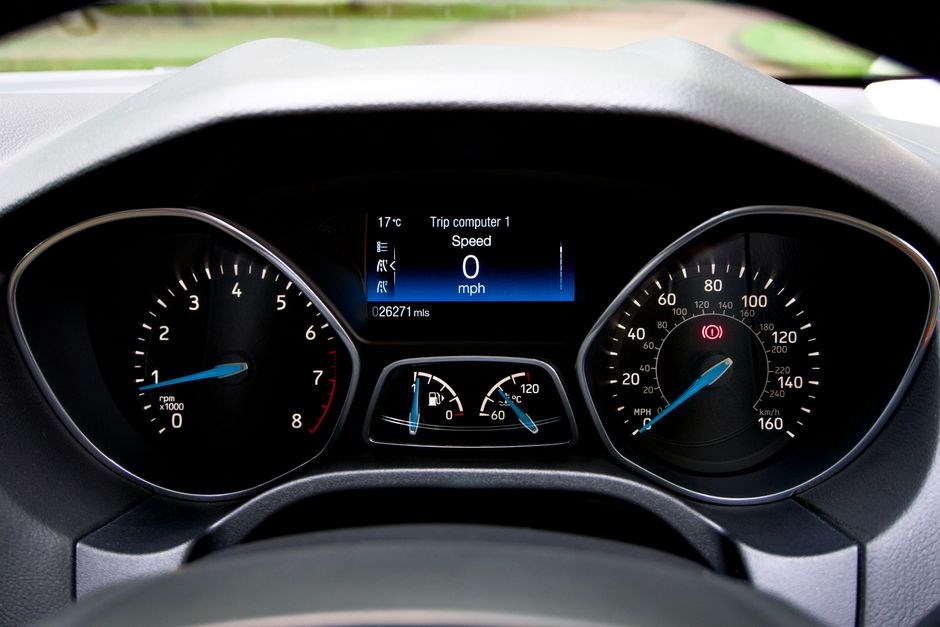
The 2016 Ford Fusion’s dashboard blends modern aesthetics with functional ergonomics‚ featuring a clean‚ glass‑like instrument cluster that displays essential driving data. The 7‑inch touchscreen infotainment system sits centrally‚ offering navigation‚ media‚ and vehicle settings. Steering‑wheel controls provide quick access to audio‚ phone‚ and cruise control functions. The instrument cluster presents a digital speedometer‚ tachometer‚ fuel gauge‚ and temperature readouts‚ all illuminated for low‑light visibility. A multi‑function display can switch between trip information‚ fuel economy‚ and maintenance alerts‚ flashing a light on the dash when attention lapses. Ambient lighting options allow owners to customize interior illumination‚ enhancing cabin mood. The manual details how to calibrate the display‚ adjust brightness‚ and reset trip meters‚ ensuring drivers can tailor the dashboard to personal preferences. Additionally‚ the Fusion’s safety features‚ such as blind‑spot monitoring and lane‑keep assist‚ are displayed via icons on the cluster‚ providing real‑time alerts. The dashboard layout prioritizes driver accessibility‚ with all controls within easy reach‚ reducing distraction and improving overall driving experience. The manual also explains how to interpret warning lights‚ troubleshoot common display issues‚ and perform routine maintenance checks‚ ensuring the Fusion’s interior remains both functional and comfortable over time. Lorem ipsum dolor sit amet‚ consectetur adipiscing elit. Lorem ipsum dolor sit amet‚ consectetur adipiscing elit. Lorem ipsum dolor sit amet‚ consectetur adipiscing elit. Lorem ipsum dolor sit amet‚ consectetur adipiscing elit. Lorem ipsum dolor sit amet‚ consectetur adipiscing elit. Additional notes about dashboard features!!
Exterior Features and Care
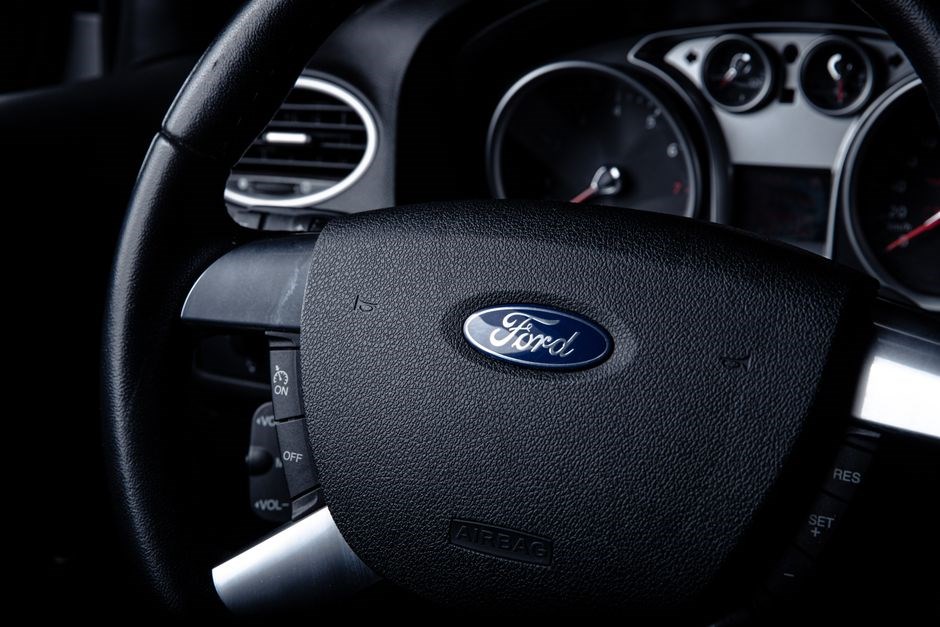
The 2016 Ford Fusion showcases a sleek‚ aerodynamic body with LED daytime running lights‚ power‑tilt/slide doors‚ and a chrome‑trimmed grille. Care instructions cover regular washing‚ wax application‚ and coatings to preserve paint‚ trim‚ and glass. Proper maintenance extends exterior longevity.
Body‚ Windows‚ and Lighting

The 2016 Ford Fusion’s exterior balances sportiness with practicality‚ featuring a low‚ wide stance and a distinctive front fascia that houses LED daytime running lights and a chrome‑trimmed grille. Body panels are made from high‑strength steel and aluminum‚ giving durability while keeping weight down. The roofline slopes slightly‚ enhancing aerodynamics and giving the Fusion a modern silhouette. Side windows use power‑tilt and power‑slide controls for easy access‚ and side mirrors include automatic dimming and turn‑signal indicators. All windows are fitted with low‑iron glass to reduce reflection and improve visibility. The rear window mounts a rear‑view camera‚ and the rear bumper accommodates a backup sensor array. LED lighting—daytime running lights‚ taillights‚ and turn signals—provides clear visibility and energy efficiency. Headlights feature adaptive front‑lighting technology that adjusts the beam pattern for nighttime visibility without dazzling oncoming traffic. Exterior care instructions recommend washing with a pH‑balanced soap and a microfiber mitt‚ followed by a wax or sealant to protect the paint. Avoid harsh chemicals or abrasive materials that could damage paint or trim. For windows‚ use an ammonia‑free glass cleaner and a microfiber towel to avoid streaks. The manual also advises checking LED illumination and replacing bulbs as needed. These features combine aesthetic appeal with functional performance‚ ensuring the Fusion remains attractive and reliable throughout its lifespan. Its sleek lines also enhance curb appeal. The Fusion’s alloy wheels‚ available in 18‑inch or 19‑inch options‚ complement the body styling and provide a balanced ride. Regular inspection of the exterior trim and paint for scratches or chips helps maintain the vehicle’s showroom appearance. When cleaning‚ use a mild‚ non‑abrasive cleaner and a soft cloth to avoid scratching the paint or trim. The Fusion’s hood ornament‚ a subtle emblem‚ adds a touch of personality without compromising aerodynamics. The Fusion’s exterior is finished with a factory‑applied clear coat that resists oxidation‚ UV damage‚ and minor scratches‚ ensuring a glossy‚ showroom‑ready look for years and lasting! smooth.

Engine and Powertrain Overview
The 2016 Fusion features a 2.5L I4 engine with 175 hp and a 6‑speed automatic or manual. An optional 3.5L V6 offers 268 hp. The powertrain supports front‑wheel or drive‚ with torque‑vectoring for good handling. Follow the manual’s regular maintenance schedule.
The 2016 Ford Fusion offers two distinct powertrains: a 2.5‑liter‚ 4‑cylinder‚ naturally aspirated engine producing 175 horsepower and 181 lb‑ft of torque‚ paired with either a 6‑speed automatic or a 6‑speed manual transmission; and a 3.5‑liter‚ 6‑cylinder‚ V‑type engine delivering 268 horsepower and 242 lb‑ft of torque‚ exclusively matched to a 6‑speed automatic. The 2.5‑liter unit features a 9.5:1 compression ratio‚ 16‑valve DOHC architecture‚ and a 2;5‑liter displacement‚ while the 3.5‑liter engine employs a 10.0:1 compression ratio‚ 24‑valve DOHC‚ and a 3.5‑liter displacement. Both engines are equipped with a 4‑wheel drive front‑wheel‑drive layout‚ a 5‑speed automatic‚ and a 6‑speed manual for the 2.5‑liter‚ and a 6‑speed automatic for the 3.5‑liter. Fuel economy ratings‚ as specified by the EPA‚ are 24 mpg city/34 mpg highway for the 2.5‑liter and 20 mpg city/28 mpg highway for the 3.5‑liter. The manual transmission provides a 6‑speed gearbox with a 3.5:1 final drive ratio‚ while the automatic offers a 4.5:1 final drive ratio. The Fusion’s powertrain is designed for smooth acceleration‚ efficient fuel consumption‚ and reliable performance across a range of driving conditions.

Transmission and Drivetrain
The 2016 Ford Fusion offers a 6‑speed automatic or a 6‑speed manual for the 2.5‑liter engine‚ and a 6‑speed automatic for the 3.5‑liter V‑6. front‑wheel drive; the auto has a 4.5:1 final drive‚ while the manual uses a 3.5:1 ratio. The system prioritizes soft shifting and powr delivery daily now!!
Manual vs. Automatic Options
The 2016 Ford Fusion offers a 6‑speed manual gearbox and a 6‑speed automatic for the 2.5‑liter EcoBoost engine. The manual delivers a more engaging driving experience with direct gear selection and a lighter pedal feel‚ ideal for enthusiasts who enjoy control and fuel efficiency. The automatic features a torque‑converter clutch and a smooth shift pattern that enhances comfort and reduces driver fatigue during city commutes. Both options share the same 4.5:1 final drive ratio‚ ensuring consistent traction across the vehicle’s front‑wheel‑drive platform. The manual’s gear ratios are tuned for better acceleration and lower engine RPMs at highway speeds‚ whereas the automatic’s shift points are optimized for quiet operation and maximum fuel economy in stop‑and‑go traffic. Maintenance for both transmissions is similar: regular fluid changes every 30‚000 miles‚ inspection of the clutch for the manual‚ and monitoring of the torque‑converter for the automatic. Owners should consult the “Transmission and Drivetrain” section of the manual for detailed service intervals and troubleshooting tips. Choosing between manual and automatic depends on driving habits‚ terrain‚ and personal preference‚ but both provide reliable performance for the Fusion’s midsize sedan platform.
Manual drivers enjoy a feel‚ while automatic users benefit from effortless shifts and low maintenance. Both options suit commutes and long trips.!

Maintenance Schedule and Fluid Service

Follow the 2016 Fusion’s service chart: oil every 5‚000 miles or 6 months‚ coolant every 30‚000 miles‚ transmission fluid every 60‚000 miles‚ brake fluid every 15‚000 miles‚ and replace cabin filter annually. Check tire pressure monthly. Enjoy ride !
Oil‚ Coolant‚ and Other Fluid Intervals
Oil: 5‚000 miles or 6 months (synthetic 5W‑20) for most models; 10‚000 miles for 2.0L EcoBoost with 10W‑30. Coolant: 30‚000 miles or 4 years‚ use Ford Genuine Coolant. Transmission: 60‚000 miles or 5 years (automatic) or 30‚000 miles (manual). Brake fluid: 15‚000 miles or 12 months. Power steering: 30‚000 miles. Differential: 60‚000 miles or 5 years. Check all fluid levels monthly‚ top‑off with manufacturer‑approved products. Follow the chart in the owner’s manual for exact intervals and recommended fluids.
Regular fluid checks are essential for maintaining engine health and preventing costly repairs. Inspect oil level and condition every 1‚000 miles or at each service interval; look for discoloration‚ metal shavings‚ or a milky appearance indicating coolant contamination. Coolant should be topped off to the designated level on the reservoir‚ using the specified Ford coolant formula to preserve radiator integrity. Transmission fluid should be inspected for proper color and odor; a burnt smell or dark hue signals the need for a fluid change. Brake fluid is hygroscopic‚ absorbing moisture over time; replace it according to the schedule to ensure optimal braking performance. Power steering fluid should be checked for leaks and proper level‚ as low fluid can cause steering noise or failure. Differential fluid‚ if equipped‚ requires periodic inspection and replacement to maintain gear lubrication. Always consult the owner’s manual for exact service intervals and use only Ford-approved fluids to guarantee warranty coverage and vehicle reliability.
Remember to store all fluid containers in a cool‚ dry place and keep them sealed when not in use. Inspect hoses for cracks‚ bulges or leaks before each service. Replace any damaged hoses promptly to avoid pressure loss. Keep a log of all fluid changes and service dates; this record helps maintain warranty compliance and informs future maintenance decisions.
Follow fluid guidelines to extend Fusion’s lifespan and performance now